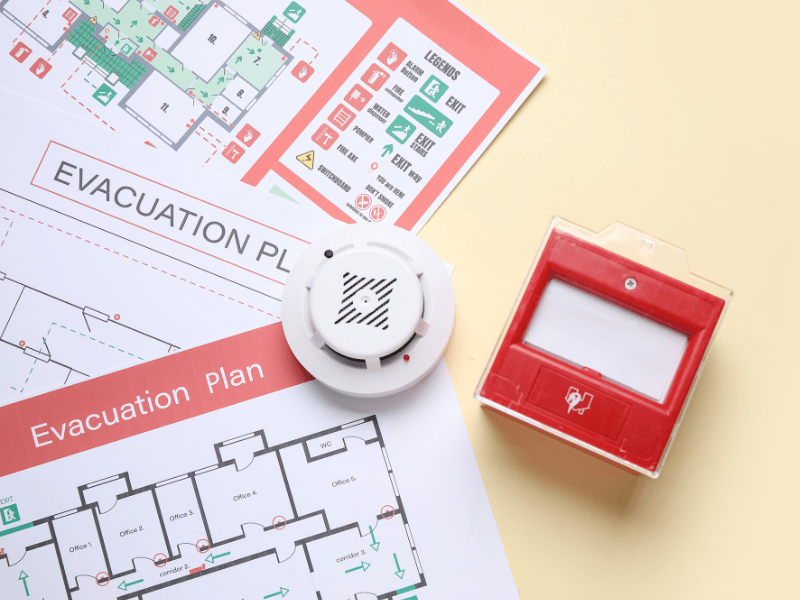
If you’re responsible for a home or a building, chances are, you’ve noticed that fire safety has become more connected, data-enhanced, and much easier to manage. In 2026, we expect this trend to continue as owners seek clearer documentation, fewer surprises at inspection time, and smarter ways to maintain the health of their fire protection systems.
At A&A Fire Protection, we come alongside home and business owners who want reliable fire safety mechanisms aligned with the latest code requirements. Here are six trends you’ll see more of this year—plus, how to determine if an upgrade is worth your investment.
1. AI-Driven Monitoring Tools
Some buildings do not have a fire safety problem—they have an alert management problem. There are many signals and too much noise without enough context, which makes it hard to distinguish a false alarm from an actual threat. AI-driven monitoring tools can help building owners review input from connected devices or supervisory signals, so malfunctions can be resolved without any further confusion.
What to Consider Before You Invest
This technology is best for owners or managers who oversee multiple sites or facilities with repetitive malfunctions and false alarms. Ask yourself these questions to determine whether AI monitoring makes sense for your building:
- Will it create usable reports for compliance and insurance documentation?
- Will it reduce the amount of nuisance alerts and noisy false alarms?
- Who reviews these alerts, and are effective response measures in place?
2. Smart Sprinkler Technology
Sprinkler systems are reliable, efficient, and successfully contain fires 98 percent of the time. But they’re not immune to potential malfunctions. For instance, a valve won’t open, a sensor won’t activate, a component sustains damage, or an obstruction affects the performance. That’s where smart sprinklers come in. These automated fire protection systems monitor the valves, waterflow, and overall condition. Plus, they catalogue performance metrics, so it’s easier to inspect the whole system’s operation status and history.
What to Consider Before You Invest
If you’re not sure what type of sprinkler system is installed in your building, our breakdown of the various fire sprinkler systems will help get you oriented. Want to upgrade to smarter sprinklers? Here’s how to ensure a seamless transition:
- Make sure the system is listed, installed correctly, and supported by the manufacturer.
- Confirm its automated monitoring features provide storable and exportable analytics.
- Verify that it has been professionally configured for easily controlled access.
3. Multi-Sensor Smoke Alarms
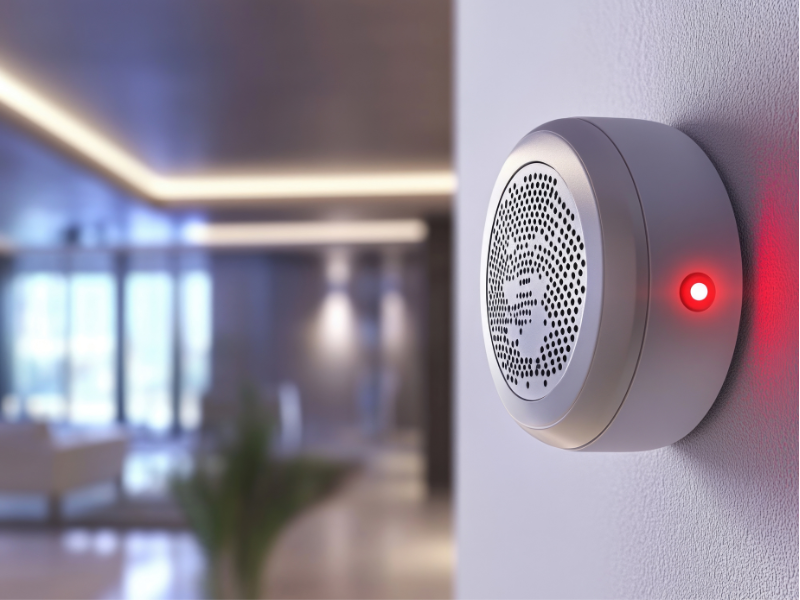
Smoke alarms are one of the simplest and quickest upgrades home or business owners can make to their fire protection systems. New multi-sensor models are even more reliable, with smart algorithms that can differentiate between actual threats from smoke, heat, or carbon monoxide versus irritating false alarms. According to the NFPA, operational smoke alarms reduce structural fire deaths by about 60 percent.
What to Consider Before You Invest
Sometimes it’s hard to know if your current smoke alarm is just being a nuisance—or if it needs a replacement. Use the following steps to take inventory of the unit’s function and identify when it’s time to upgrade to a newer mult-sensor model:
- Check the manufacture date of each alarm and replace units with an expired service life.
- Look into multi-sensor alarms for more thorough and accurate detection coverage.
- Perform a visual check of each unit monthly—or based on the manufacturer’s guidance.
4. Self-Activating Fire Extinguishers
Automatic fire suppression tools have become increasingly common in specific areas where an immediate response matters, but humans might not always be present. These self-activating fire extinguishers are particularly beneficial in commercial kitchens, mechanical rooms, and spaces where hazardous or flammable materials are stored.
What to Consider Before You Invest
There are two primary incidents in which a self-activating fire extinguisher makes sense. Here’s how to determine if your home or business will benefit from this technology:
- Your building contains a high-risk area that requires more than a manual extinguisher.
- You need a fire suppression system that can activate without human intervention.
5. Remote Inspection Documentation
Owners want faster reporting methods with fewer missing documents. Digital-first inspection workflows can meet this expectation and accelerate the results—especially with facilities and portfolios. Remote automated inspection and testing protocols make it easier to oversee the function of water-based suppression systems in real-time.
What to Consider Before You Invest
This technology is more useful for owners or managers who have numerous sites to keep tabs on. So weigh it as an option if any of these scenarios describe you:
- You manage multi-site properties that require a consistent level of reporting.
- You operate facilities that need a clearer history between inspections or maintenance.
- You supervise a team that wants fewer last-minute scrambles before an inspection.
6. Building Code Updates
Code changes might not land the same way across all municipalities. For instance, some model regulatory codes roll out on certain schedules, but state and local jurisdictions implement them on their own timelines. As such, requirements can change often based on where your building is located or how it is used. So keep yourself informed of all the latest updates in 2026—you don’t want to be caught liable for a fire code violation.
What to Consider As You Update
While both advisable and beneficial, updating your fire protection systems can also be optional in some cases. Code compliance, however, is mandatory. Follow this checklist to evaluate how your building reflects the current regulatory codes:
- Treat any renovations or remodels, tenant improvements, and occupancy changes as an opportunity to re-evaluate your code compliance.
- Keep all your building inspection reports organized, current, and easily accessible.
- Check the local code requirements before you invest in new equipment upgrades.
Jumpstart 2026 with Your Annual Fire Inspection
If you want fire protection systems to run smoother in 2026, these trends are worth looking into. But it’s always best to start off with the fundamentals—schedule an annual inspection and maintenance check with our team at A&A Fire Protection. We’ll ensure that your building’s fire safety defenses are operational and in alignment with all code requirements. There’s no time like a fresh new year, so reach out to us today!