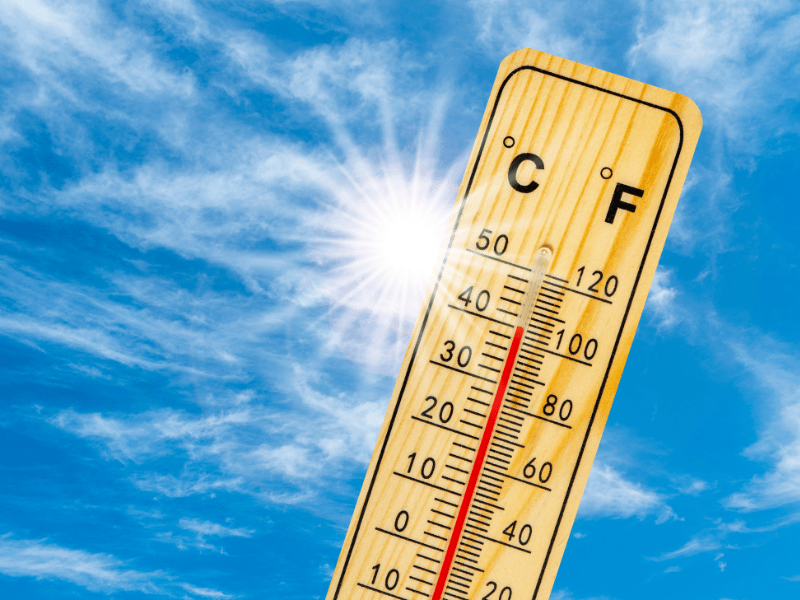
Summer is a time to relax, celebrate, and bask in the sunshine. But it also ushers in a new wave of fire hazards—and the seasonal heat often compounds those issues even further. When the temperatures climb, conditions in your home or business can escalate from manageable to potentially dangerous. Here’s what to watch out for this season, along with actionable summer fire safety tips to get ahead of the risks.
Seasonal Fire Safety Hazards to Know About
Not all fire hazards visibly announce themselves. Some build quietly over weeks of intense heat, dry weather conditions, and fire protection systems running harder than they were meant to. Let’s explore the most common summer fire risks to put on your radar now before peak conditions make them even more difficult to manage.
Overworked Electrical Circuits
Air conditioning is the primary driver of summer electricity use. The U.S. Energy Information Administration estimates that cooling accounts for 17 percent of total residential electricity output, with that overall load spiking in seasonal heat waves. The longer these circuits carry sustained high loads, the more their wiring heats up. When air around the wires is already hot, it dissipates heat more slowly, overworking the circuits.
If an electrical outlet or panel is either too old or too small, it can strain the circuit even more. To avoid this pitfall, walk through your space and look for outlets that feel warm to the touch, breakers that frequently trip, or extension cords being used as a permanent solution. These signs indicate the electrical system needs attention before summer peaks.
Dry Vegetation or Outdoor Debris
Dry grass, leaves, or other lawn debris are fuel sources that most homeowners don’t think about until after an ignition sparks. Summer heat accelerates moisture loss in vegetation, which lowers the temperature at which organic material can catch fire.
The National Fire Protection Association notes that vegetation management is one of the most effective ways to reduce fire exposure for residential properties. Maintain at least a five-foot clearance zone between the structure and any combustible landscaping, and keep all gutters clear of dried debris throughout the summer.
HVAC Systems Under Strain
A cooling system that runs continuously in the heat tends to wear out faster than it would in moderate weather conditions. That’s because the system has to work hardest precisely when ambient temperatures give it the least thermal margin. As such, a dirty filter or loose duct connection that might be overlooked in April can push a strained component beyond its limit in July. Schedule HVAC service before peak season, replace filters on schedule, and maintain adequate clearance around all the outdoor condenser units.
Outdoor Grills and Cookouts
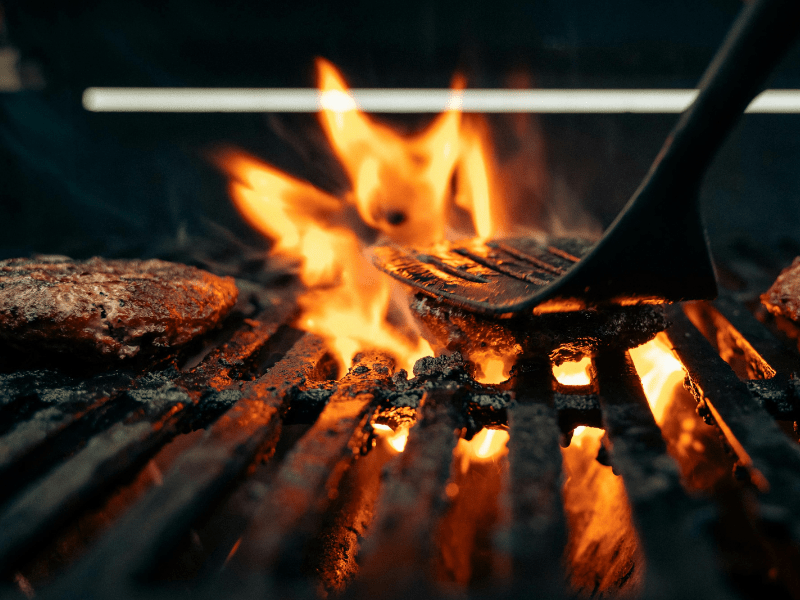
Cooking is the leading cause of residential fires year-round, but the summer months transfer a significant portion of that activity outside. Dry weather conditions mean that surfaces—like wooden patios, fences, or nearby vegetation—can ignite quicker than they would in cooler, more humid months. This escalates the risk of fires starting from an unattended grill, so be sure all the cooking equipment is at least 10 feet away from the exterior of your home and away from flammable or overhead materials.
Proactive Summer Safety Tips to Follow Right Now
The window between right now and the onset of peak summer conditions is the ideal time to work through this list of summer safety tips:
- Inspect fire sprinklers: If your fire protection system has not been serviced recently, schedule a fire sprinkler inspection before the hottest months arrive. Ensure there’s a clearance of 18 inches below all sprinkler heads, then check for any heads that show signs of paint residue, corrosion, or physical damage.
- Test smoke alarms: Make sure all sensors are functional, and confirm the units are still within their ten-year lifespan. If not, replace them immediately.
- Clear the exterior perimeter: Remove combustible materials from around both the foundation and exterior walls. Do not store any fuel tanks, mulch piles, or outdoor furniture in contact with the structure.
- Resolve electrical concerns: If a breaker trips more than once on the same circuit, or any outlets show signs of heat, schedule repairs with an electrician.
- Service HVAC equipment: A professional tune-up before the hottest stretch of the year will reduce the risk of HVAC system strain and keeps all internal components running within their correct design parameters.
Don’t Wait for Peak Summer Conditions to Arrive
Seasonal fire risks are cumulative. The hazards won’t all activate at once—they build as temperatures rise, systems run harder, and the weather dries out. Take care of them now while the heat is still manageable with these practical summer safety tips.
If your fire protection services are overdue for a maintenance check, contact our team at A&A Fire Protection. We’ll help you schedule a summer inspection to confirm your fire sprinklers and other equipment are ready for the months ahead.