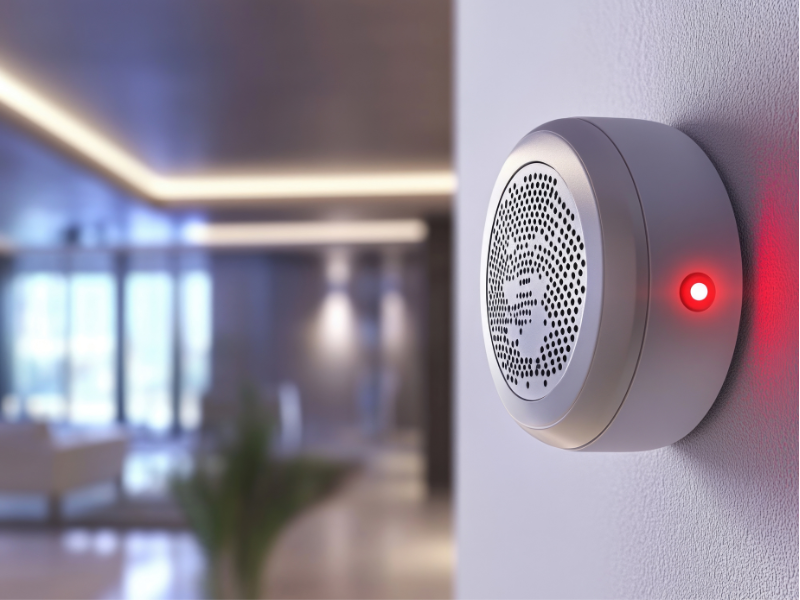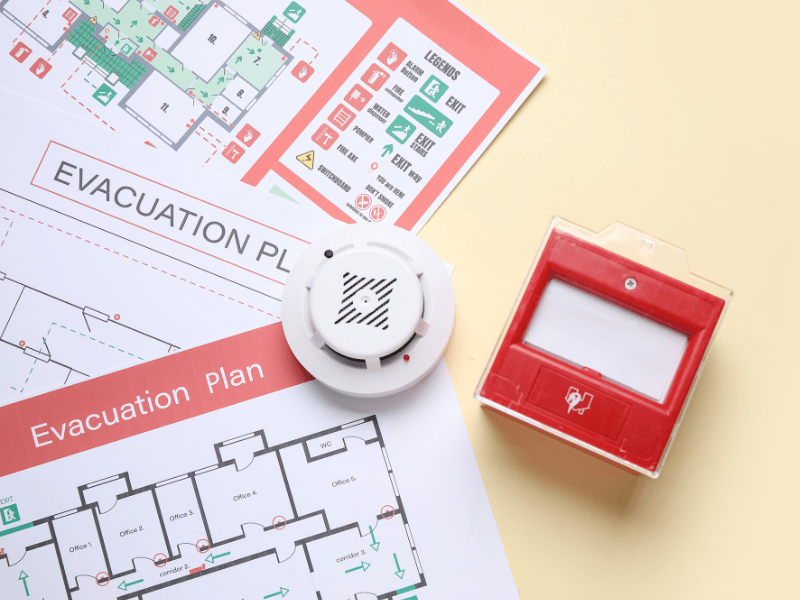
With winter in full swing and heater use at its peak, the start of a new year marks the ideal time to revisit your stance on fire safety. Q1 is a natural reset for home or business owners to audit their fire safety plan. Take a clean-slate approach to ensure compliance, increase emergency readiness, and minimize overall risk. Here’s what you need to know.
Q1 Is the Right Time to Evaluate Your Fire Safety Plan
A fire safety plan needs to evolve as the building’s layout or occupancy shifts. You also need to re-evaluate this plan if local code requirements change. Treat Q1 as a fresh start to protect your home or business—here are a few benefits of taking this initiative:
- Inspection schedules are easier to coordinate before the peak construction and maintenance seasons begin.
- You can organize documents before the compliance deadlines arrive.
- Training sessions can be booked around annual staff reviews and onboarding cycles.
- Fire sprinkler services and maintenance checks can be performed routinely.
Take a Clean-Slate Approach
One of the most overlooked parts of a fire safety plan is the condition and readiness of the systems themselves. Fire protection equipment can be correctly installed and code-compliant, yet still underperform or malfunction if you fall behind on inspections.
Professional fire sprinkler services play a crucial role. Routine inspections and maintenance tests give you the confidence of knowing that your equipment works, instead of just assuming it will function correctly in a real-world emergency situation.
Starting fresh is also one of the best ways to adapt to the latest fire protection trends, such as smart sprinklers and AI-powered monitors. While you don’t need to jump at every new piece of technology that hits the market, it’s important to be aware of the most recent trends, so you can invest in beneficial upgrades when the time is right.
Documentation and Compliance
Fire protection isn’t just about having the latest hardware in place. You also need to maintain accurate records for both compliance and insurance. Missing inspection documents or archaic system drawings can cause audit delays or raise red flags. For the best results, a fire safety plan should cover the following areas:
- Inspection and testing schedules
- Emergency contact and service provider lists
- System diagrams and control valve locations
- Staff and management responsibilities
Q1 is the perfect time to confirm that you have all this information stored in an accessible, centralized location. Make sure these documents reflect the current state of your equipment, and that you can find them at a moment’s notice when necessary.
Why Staff Training Is Part of Fire Safety
Even the best systems need a human response in emergency situations. Changes in personnel, tenant turnover, or new building uses can all impact your level of readiness. You need training protocols to avoid safety issues during those transitions. Re-evaluate your staff training in Q1 to locate and resolve shortcomings as soon as possible. This will help identify effective training protocols, such as responding to alarms and honing evacuation procedures.
Fire Safety Plan Reset Checklist
Completing these steps in Q1 can help you fix any last-minute compliance issues that carried over from last year. Use this checklist to level-up fire protection strategies in 2026:
- Review and update your written fire safety plan.
- Schedule annual inspections for all fire equipment, including alarms, extinguishers, and fire sprinkler services.
- Confirm all certificates and inspection reports are stored correctly.
- Make sure all safety equipment, access points, and control valves are unobstructed.
- Audit staff training records and implement new courses when necessary.
Explore Fire Sprinkler Services From A&A Fire Protection
A&A Fire Protection offers a comprehensive suite of resources and solutions to help your building remain compliant and minimize the risk of fire damage. Our fire sprinkler services are an excellent choice for home or business owners looking to jump-start Q1 system maintenance. Contact us to book an appointment today.