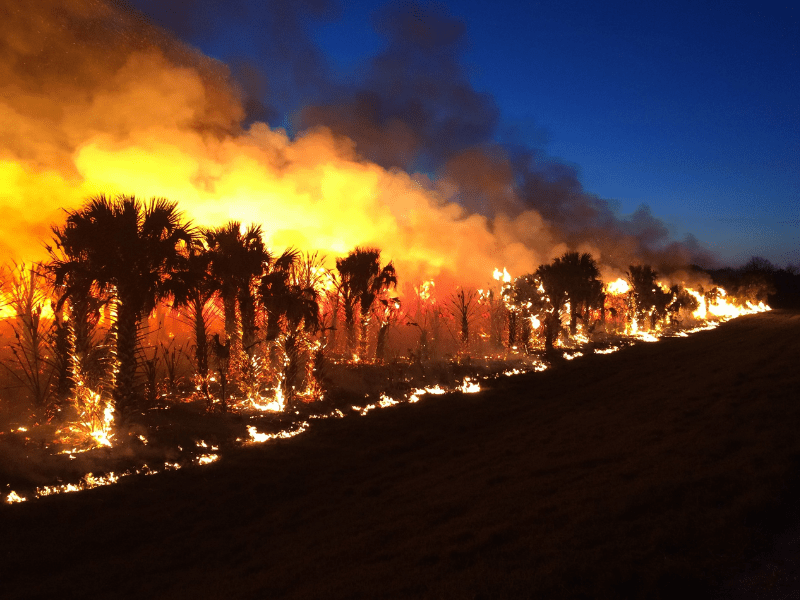
When you think about the places most vulnerable to fires, arid regions will most likely come to mind. However, the truth is, fires can occur anywhere under the right conditions, including after blizzards, in urban centers, or even on tropical islands.
About 70,000 wildfires ignite each year in the U.S. alone, and climate change is one of many factors driving this uptick in blazes. As temperatures rise, the risk of climate change fires in unexpected places is more serious than ever. Identifying how this threat can escalate is the first step toward bolstering fire suppression measures and keeping your home safe.
Are Climate Change Fires Real?
The short answer is, “Absolutely.” Climate change fires refer to the increased risk of material ignitions due to warmer, dryer climates. Extensive droughts or record-breaking heat waves are more common now than in previous years, and homeowners must be aware of the danger these weather shifts can pose. Fortunately, there are some practical, actionable steps you can take to plan ahead for these climate change-related issues in order to prevent wildfires from spreading out of control and minimize the risk of overall damage.
Why Climate Change Increases Fire Risk
Climate change is often associated with rising temperatures, but this environmental issue also affects vegetation growth and rainfall patterns. For instance, certain types of storms—such as blizzards or hurricanes—could become more frequent and intense. These storms can indirectly cause fires in the damage of their aftermath. As the impacts of climate change worsen, many parts of the world might experience these risk factors:
- Dry vegetation from persistent droughts
- Extreme heat waves
- Severe thunderstorms
- Electrical grid strains due to more cooling needs
Some regions already encounter these issues, which means the risk of climate change fires could be increasing. Pay attention to updates from local, county, and state officials, so you’re familiar with the potential dangers in your area.
Climate Change Fires in Unexpected Places
The 2023 wildfires in Lahaina, Hawaii, illustrate the unpredictable nature of climate change fires. These devastating fires claimed more than 100 lives, while burning nearly 6,700 acres on the island of Maui. Tropical climates once faced a much lower risk for wildfires due to their ample moisture and wet vegetation. However, strong winds, drought conditions, and parched invasive grasses created just the right elements for a powerful blaze to spread.
Practical Steps You Can Take Before Disaster Strikes
Finding out that your home is in a fire danger zone can be incredibly stressful, but that’s not the only hazard to plan ahead for. It’s also important to be cognizant of other home safety risks, such as electrical or appliance malfunctions. Regardless of what causes a fire, here are some actions you can take right now to make your home less vulnerable:
- Keep trees and vegetation trimmed around your structures.
- Install and maintain fire sprinklers, smoke alarms, and other safety equipment.
- Use fire-resistant building materials for new construction or renovations.
- Work with local community members to encourage environmental sustainability.
- Identify potential risk factors in your home and neighborhood.
There is no one-size-fits-all solution to climate change fires. Multiple factors are increasing the risk, so you’ll need to invest in several complementary solutions. As climate change escalates even further in years to come, home fire suppression systems will become critical. Sprinklers are some of the most effective options—especially when combined with sensors that can detect heat to contain the flames and minimize overall damage.
Explore Fire Suppression Solutions with A&A Fire Protection
Protect your home with the help of an experienced fire suppression solutions provider. At A&A Fire Protection, our expert technicians will evaluate your risk factors and implement reliable solutions to create safer space. Contact us for more information today.