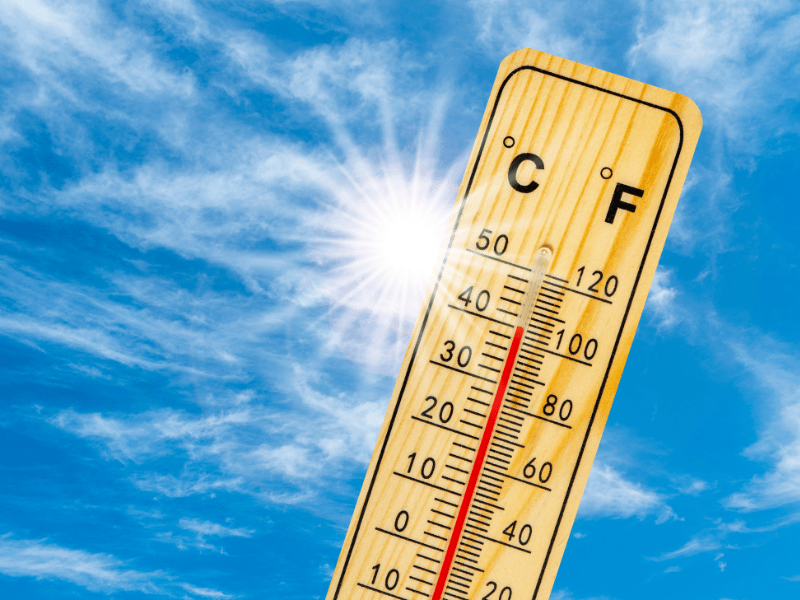
July is the hottest month across most of the United States, and as recent data shows, this will only continue to escalate. When Climate Central looked at average July temperatures in 243 U.S. cities between 1970–2025, the researchers noticed an alarming trend: 94 percent of those cities have seen significant July heat spikes over the last 55 years.
Not only is this uncomfortable, it’s also unsafe. Intense summer heat waves are some of the most dangerous weather phenomena, often leading to other severe hazards like fires. So as homeowners work to protect their living spaces from the effects of heat this season, one crucial home safety component deserves extra attention—fire sprinkler systems.
These devices are built to reliably operate in extreme conditions, but over time, prolonged heat can harm internal mechanisms and cause serious malfunctions. It’s important to know how high temperatures affect this entire system, so you can prioritize the right fire sprinkler services to ensure your home’s first line of defense is ready all summer long.
Why Extreme Heat Impacts Fire Sprinkler Systems
While modern fire sprinklers are engineered to tolerate seasonal temperature changes, even the most robust equipment could start to wear down after several weeks or months of intense heat.
Extreme temperatures won’t cause your fire sprinklers to fail overnight, but these climate risks— combined with factors such as direct sunlight, poor interior ventilation, or old mechanisms—can gradually strain certain parts until the whole system deteriorates.
If you neglect routine fire sprinkler services and maintenance activities, heat-related issues can turn into long-term malfunctions. So as the summer months grow hotter, fire safety inspections become even more essential. Here are just a few of the red flags to look out for when protecting your own fire sprinkler system from intense heat exposure.
Increased Stress on Plumbing
Heat forces plastic or metal plumbing to frequently expand then contract. These movements are natural to a certain extent, but if they become too repetitive, that constant back-and-forth motion can put strain on fire sprinkler plumbing and cause the following issues:
- Loose fittings
- Water leaks
- Joint fatigue
- Pipe connection wear
Damage to Seals and Gaskets
Fire sprinklers rely on O-rings, seals, and gaskets to maintain optimal water flow and pressure, as well as thermal regulation if a fire occurs. Excessive heat can damage these components, which could impact the whole system’s performance. A fire sprinkler technician should inspect all gaskets and seals for these visible indicators of deterioration:
- Cracks
- Dryness
- Brittle surface
- Lack of flexibility
Water Pressure Challenges
In periods of intense heat, communities often experience increased water usage as residents irrigate their lawns, fill up swimming pools, and take more showers. Although some public water systems can adapt to meet a consumption surge, this also diverts water supply and pressure from your fire sprinklers—especially in rural areas with limited water access.
Corrosion From High Humidity
While heat itself won’t directly cause corrosion, when high temperatures combine with humidity, moisture can accumulate around metal system components. If sprinkler risers, valves, or other equipment are located outside, exposure to the summer elements can corrode these parts. A thorough inspection will detect early signs of corrosion, so the right fire sprinkler services can help ward off costly maintenance concerns further down the line.
Mechanical Wear and Tear
Automatic alarm devices, controls, sensors, and other internal parts naturally age over time, but prolonged environmental stress can accelerate this wear and tear. Equipment located in spaces without much ventilation or circulation—such as utility rooms, attics, or garages—are particularly vulnerable to heat-related mechanical issues. This affects the sprinklers’ ability to sense if a fire has occurred, which makes the entire system less functional and reliable.
How to Protect Your Fire Sprinklers from Extreme Heat
Despite the risks that scorching temperatures can pose, it’s not hard to prioritize safety during these hot summer months—it just takes a few proactive measures. Setting aside time for the following fire sprinkler services and maintenance checks will enhance your peace of mind, even as those seasonal heat waves continue to spike.
Invest in Seasonal Fire Safety Inspections
One of the most effective precautions you can take this time of year is to schedule a seasonal inspection with qualified fire sprinkler technicians. These professionals are trained to catch and resolve small issues before they can escalate into large, costly repairs. A seasonal inspection will identify these potential concerns to lower the risk of serious malfunctions, while increasing your fire sprinklers’ overall performance and lifespan:
- Corrosion on valves, risers, or sprinkler heads
- Old equipment or mechanical issues
- Worn out seals and gaskets
- Inconsistent water flow and pressure
- Plumbing leaks or connection problems
Ensure Sprinkler Heads Are Unobstructed
Fire sprinkler heads require at least 18 inches of clearance around them to ensure optimal water activation in an emergency. To maintain this berth, it’s important not to hang any decorations, plants, or storage items from the sprinkler heads. You also shouldn’t paint over them or install any fixtures that might obstruct water distribution in the event of a fire.
Monitor Your Home for Noticeable Issues
Sometimes obvious signs of wear in your home can be indicators of a fire sprinkler malfunction. About once a month, walk through each room and carefully inspect the walls, floors, ceiling, and fixtures to see if anything looks or smells unusual. If you notice some of these red flags below, enlist a professional to come tackle the necessary repairs.
- Water stains
- Loose fittings
- Visible corrosion
- Plumbing leaks or drips
- Dents on sprinkler heads
- Odors near mechanical equipment
Optimize the Airflow in Vulnerable Spaces
If you have fire sprinkler mechanisms located in an attic, garage, crawl space, utility room, or storage shed, these areas often absorb sunlight and trap excess heat. They’re also difficult to ventilate, which can restrict airflow and elevate temperatures around plumbing or mechanical equipment. Invest in strong insulation materials and robust air circulation systems to reduce the level of heat-related stress on those sprinkler components.
Combat Extreme Heat with Professional Fire Sprinkler Services
Fire sprinklers are built to offer protection for years under harsh environmental conditions. But even the most reliable equipment will benefit from routine professional maintenance—especially as summer temperatures continue to rise. Seasonal inspections and fire sprinkler services are among the best defenses available against system malfunctions. Contact our team of experts at A&A Fire Protection, and we’ll help you beat this summer heat.