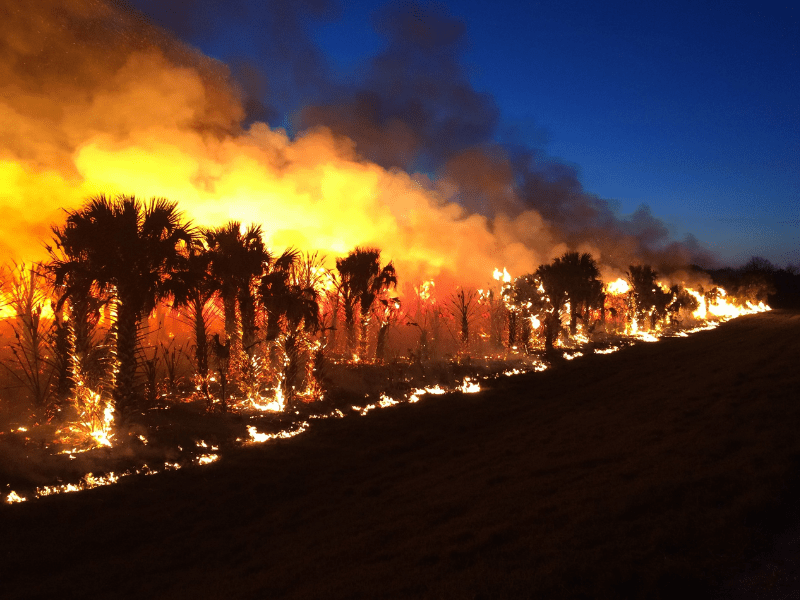
Most homeowners assume that a fire builds slowly, offering them plenty of time to smell the smoke, grab their valuables, and escape outside. But the reality is much harsher. Residential fires can accelerate from a small flame to flashover in just three to five minutes.
Flashover is the point where a fire rapidly intensifies, and the room becomes uninhabitable. To visualize how fast a spark can turn into a full-scale emergency, let’s break down what happens in those critical minutes as the fire escalates—plus, how installing a residential fire sprinkler system can control the blaze and ultimately change the outcome.
Minute 0: The Ignition Starts in a Small, Contained Space
Most residential fires originate from normal household objects such as kitchen appliances, electrical outlets, space heaters, candles, flammable materials, or malfunctioning devices. When a spark first ignites, the flame itself might be confined to one object, but the heat and smoke are already starting to expand. At this stage, homeowners will often underestimate the fire’s potential severity because it still looks manageable.
Minute 1: Smoke Begins to Spread Outside the Room
Within the first minute, smoke can move beyond the room of origin and seep into hallways or other surrounding areas. Smoke obstructs visibility and emits toxic byproducts that affect your judgment and coordination—sometimes before you even see flames. At this point, the fire becomes hard to control, resulting in conditions that block escape.
Minute 2: Heat Rises Quickly as the Fire Feeds Off Itself
By the two-minute mark, the blaze becomes much hotter and larger, especially in modern homes with synthetic materials and open floor plans. As the temperature increases, nearby items ignite faster—and more burning items leads to even more heat. This is the stage when homeowners usually realize the danger, but they can also lose critical evacuation time doing activities that are often futile or worse, life-threatening, such as:
- Trying to locate the fire’s source
- Attempting to snuff it out with a fire extinguisher
- Searching for keys, phone, wallet, or valuables
Minutes 3–5: Flashover Becomes a Real Possibility
This is the turning point. Within three to five minutes, the fire could transition into flashover, and anything combustible can be engulfed in flames. Once flashover occurs, it’s extremely difficult—if not, impossible—to control and contain a blaze without professional intervention and equipment. If the fire reaches this stage, the objective shifts from “put it out” to “limit the spread, curb structural collapse, and get all occupants out alive.”
How Fire Sprinklers Change the Timeline
A residential fire sprinkler system is built to step in during those first crucial minutes before the fire turns into an inferno. Sprinklers don’t wait for danger to escalate—they suppress the fire while it’s small enough to contain. This early response time can safeguard human lives, maintain the home’s structural integrity, protect household items, and minimize financial loss. According to the National Fire Protection Association (NFPA), fire sprinklers can effectively control a blaze in 98 percent of incidents in which they operate.
Why Sprinkler Maintenance and Inspections Matter
A residential fire sprinkler system can’t be relied on to perform if it hasn’t been maintained. Sprinklers must be consistently inspected and tested to confirm it will activate if a fire ignites. Here are some actions you can take to ensure optimal functionality:
- Schedule a professional fire sprinkler inspection at the required intervals (annually, quarterly, or semi-annually).
- Conduct visual checks in between inspections to look for obvious issues (damage, corrosion, leaks, or obstructions).
- If you remodel the house, finish a basement, or adjust the layout, call a professional to review the sprinkler system. These structural changes could affect your sprinkler coverage and required clearances.
Make Sure Your Fire Sprinklers Respond When Heat Hits
A residential fire sprinkler system can control a fire in its early stages—but only if each part works correctly. Routine inspections and maintenance help confirm all valves are in the right position, all components are functioning, and all sprinkler heads have the clearance they need. If it’s been a while since your residential fire sprinkler system was inspected, contact A&A Fire Protection to ensure working order and enhance peace of mind.