The risk of a blizzard doesn’t always end when the snowfall stops. For many home and business owners, the most serious hazards show up during the cleanup and recovery phases.
Power outages, electrical system malfunctions, frozen plumbing, and emergency heaters often cause post-storm damage that can escalate into a winter fire days—or even weeks—later.
Cold weather also raises the baseline safety risk. NFPA reports that nearly half of U.S. residential heating equipment fires occur between December and February.
Why Blizzards Cause Post-Storm Fire Hazards
Post-storm fire risks usually spawn from a few common culprits:
- Electrical stress or damage: Power outages and restoration surges, water intrusion, or malfunctioning service lines can compromise devices or circuit wires.
- Temporary heat and light sources: Space heaters, fireplaces, wood stoves, candles, or generators are used more often during power outages—often in unsafe ways.
- Frozen and thawing systems: Plumbing freezes, fittings crack, and valves stick. But when temperatures rise again after a storm, leaks and failures can show up quickly.
- Impaired life-safety equipment: A building can look operational even while protection systems are offline.
Fire Hazard Checklist For Property Owners
Use this guide as an actionable post-blizzard reset. If something looks or smells off, pause and bring in a licensed professional.
1. Conduct a Safe Electrical Walk-Through
Many electrical issues are not visible. If you suspect damage, have an electrician evaluate the system before you resume normal load. Start with the places where storm damage most commonly shows up.
- Look for light flickers, buzzing sounds, outlets that feel warm, or tripped breakers that won’t reset.
- Check for any water intrusion near electrical outlets, panels, and mechanical rooms.
- Don’t operate electrical devices on questionable cords or outlets.
2. Reset Heating Equipment and Portable Heaters
Blizzards increase the reliance on heating systems—the main seasonal fire risks. One of the simplest ways to reduce the chance of a winter fire is to reset all fire equipment after a storm.
- Clear snow and ice from vents and exhaust paths, so heating equipment can operate safely.
- Remove all portable heaters from combustible items and plug them directly into a wall outlet.
- If you use a fireplace, wood stove, or fuel heat source, have a professional check for safe venting and operation.
3. Treat Power Generators as High-Risk Zones
Portable generators can be extremely useful when the power cuts out. But they must be used correctly to minimize winter fire risks.
- Keep all generators outside away from openings, and follow the manufacturer guidelines.
- Never run a generator in a basement, enclosed porch, or garage.
- Don’t improvise the wiring setup. If you use a generator often, hire a qualified electrician to set it up for you.
4. Look for Signs of Potential Freeze Damage
Cold weather can stress a building’s valves, seals, or plumbing fixtures and connections after a power outage. Fire sprinklers, valves, and risers must be checked, especially if the heat turns off. A small freeze crack can become a leak, which can lead to serious malfunctions.
5. Confirm Your Safety Equipment is Functional
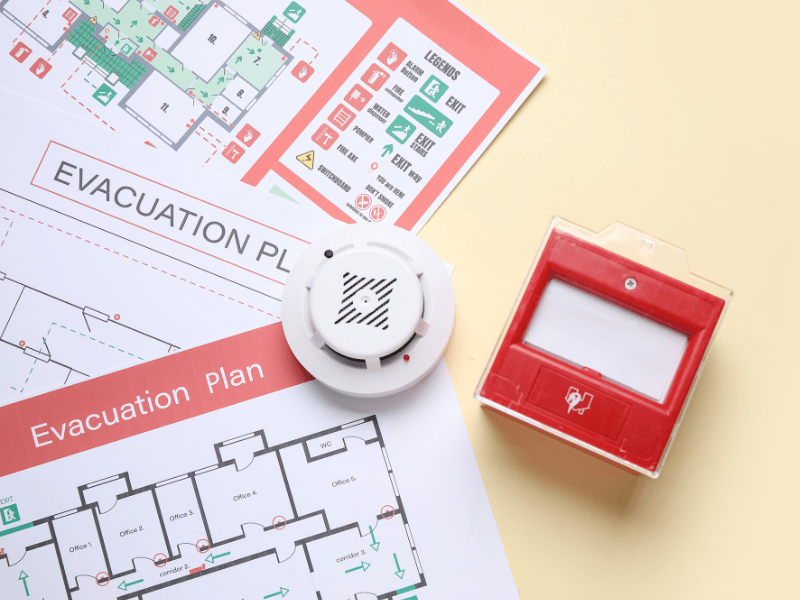
After a major blizzard, equipment that looks “on” is not the same as equipment that’s reliable. If you’re not sure how your fire protection systems should work, call in a technician.
- Test smoke alarms and replace any malfunctioning units.
- Confirm fire extinguishers are accessible and operational.
- Check alarm panels, monitoring statuses, and inspection records.
Get Ahead of Post-Blizzard Fire Risks
A blizzard can expose weak points you might not even know are there. Fortunately, a thorough inspection and maintenance visit will help you catch these issues early, which can minimize downtime and lower the risk of a preventable winter fire.
If your home or business needs a post-storm review, A&A Fire Protection is ready to help. Our team offers reliable fire suppression services and inspections, so you’ll have peace of mind all season long.