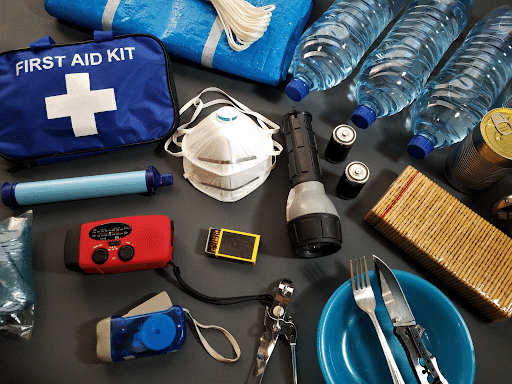
Natural disasters rarely—if ever—strike at convenient times. Powerful tornadoes, hurricanes, or thunder storms can cause severe damage to homes, businesses, power lines, and other critical infrastructure. Catastrophic floods, earthquakes, or landslides can wipe out entire communities in minutes. Climate emergencies can disrupt our normal routines and turn ordinary spaces into danger zones without much warning. But as unpredictable as these events can be, there are many actions we can take to remain a few steps ahead.
September is known as National Preparedness Month here in the U.S. This designation serves as an important reminder for homeowners, businesses, first responders, and communities as a whole to be proactive now—instead of waiting until the storm clouds gather.
This year’s theme is “Americans Stand Ready” with a focus on resilience, resourcefulness, and unification in the face of natural disasters. This doesn’t mean we must accurately predict when threats will come, but it does mean we can all do our part to identify the risks and implement guardrails to ensure the safety measures our families and communities need are firmly in place. Let’s explore how to stand ready this National Preparedness Month.
Start With the Risks in Your Area
An emergency readiness plan should account for all the regional hazards that impact your area. In Upstate South Carolina, numerous weather extremes—such as tornadoes, tropical storms, hail, flash floods, or gale-force winds—can wreak havoc on your home or business. They also cause power outages, road obstructions, and electrical issues that could spawn fires. Once you name these risks, it’s easier to strategize around them.
Consider how the members of your household or organization will communicate and reconvene in an emergency. Make sure that everyone knows how to respond effectively without panic or hesitation. Designate clear evacuation routes, set up local emergency alerts, and establish a central meeting point in case anyone is separated. Evaluate these precautions regularly as the climate and weather patterns change with each new season.
Business owners should also be aware of how a natural disaster can affect daily operations. Have a contingency plan for essential back-up equipment, emergency contact information, employee communication, and customer protections.
Be Strategic About Fire Safety
A thorough disaster safety plan must encompass more than immediate evacuation routes and a stockpile of basic necessities. Fire protection initiatives are also critical. Severe weather and other climate emergencies can spark fires—sometimes even in the most unexpected locations. Damage to power lines, exposed circuits, generator overuse, and other electrical issues in the aftermath of a storm create the conditions necessary for a blaze to ignite.
It’s imperative for home and business owners to ensure their fire protection systems are working before a disaster looms on the horizon. This includes monitoring the smoke alarms, performing routine maintenance checks, and slotting in a fire sprinkler inspection.
Fire sprinklers are built to automatically respond to the first sign of flames and efficiently contain the blaze before it can spread. But over time, this equipment can succumb to physical damage, corrosion, internal malfunctions, or water flow issues that interfere with its performance. During a fire sprinkler inspection, qualified technicians will look for these red flags, so you can schedule repairs and minimize the risk of major safety concerns further down the line.
Don’t Wait Until Fall Brings New Risks
Throughout Upstate South Carolina, the fall ushers in strong winds, heavy rain, and potential hurricanes. As winter rounds the corner, intense sleet, hail, and ice storms can also cause hazardous weather conditions. National Preparedness Month encourages us all to be resilient, resourceful, and most of all, ready when it matters most.
September is an ideal time to revisit safety plans and maintenance tasks ahead of the busy fall season. Homeowners can replace the batteries in smoke alarms, practice evacuation routes, update emergency contacts, and test the fire extinguishers. Business owners and managers can also use this time to verify building code compliance, review workplace safety procedures, and confirm that all exits and equipment remain accessible.
Resilience Begins Before an Emergency
National Preparedness Month is ultimately about being proactive, considering the realistic threats, handling the preventable risk factors, and mobilizing to take action before a climate emergency occurs. When homeowners, businesses, neighbors, and first responders work together to plan ahead, it can make the situation more manageable and the community more resilient overall. Safety isn’t just a box to check—it’s a number-one priority.
Here at A&A Fire Protection, we offer reliable fire sprinkler inspection and maintenance services to help both home and business owners keep their systems in optimal working order, no matter when disaster strikes. Contact our team of qualified professionals to learn how we can set you up for a safe and resilient season this fall.