In many regions across the U.S., November ushers in those first chilly signs of winter—a preview of the freezing temperatures ahead. But these initial cold snaps are more than just weather shifts. They can also reveal weaknesses in your home or business’s fire sprinkler system. From worn out plumbing insulation to drafty crawl spaces, small vulnerabilities can become major issues as the temperature drops. Let’s examine the main trouble areas to look out for, along with winter fire safety tips for robust seasonal protection.
How Cold Weather Exposes Vulnerabilities in Fire Protection
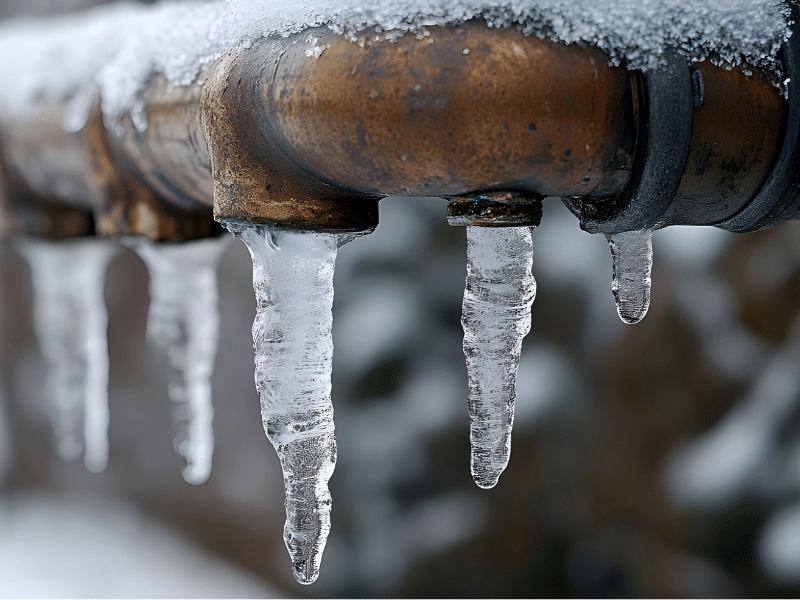
Fire sprinkler systems are built to offer reliable protection all year-round, but without the right precautions, cold weather can undermine their performance. If water inside the sprinkler’s plumbing freezes, it will start to expand. Over time, this could separate the fittings, crack the pipes, or damage the valves and other internal components. Even a brief cold snap can cause elemental conditions harsh enough to put an entire system at risk. Here are the most common cold-weather vulnerabilities you should be aware of.
- Insufficient sprinkler plumbing insulation: Pipes in unheated attics, exterior walls, or other poorly insulated areas are susceptible to freezing. Worn out insulation can also expose critical sections of the plumbing system to cold air.
- Unwinterized sprinkler fixtures and lines: Buildings with infrequently used spaces might have sprinkler components that haven’t been winterized. Water-filled components can be especially vulnerable when indoor temperatures fluctuate.
- Drafty crawl spaces and utility areas: As cold air enters into foundation gaps, crawl space vents, or weatherstripping crevices, it can lower the temperature around sprinkler plumbing. Even if the main building remains comfortably heated, these isolated areas can still experience freezing conditions.
- Heating equipment malfunctions: In buildings that rely on supplemental heaters to insulate the plumbing, a furnace malfunction, fuel interruption, or failed heat source can cause temperatures to fall below safe levels. Likewise, a heater that worked reliably in the fall might not be ready for a long winter cold spell.
- Freeze protection damage or deterioration: Heat trace cables, insulation jackets, and other protective measures can deteriorate over time. Electrical heat-tracing can also be affected by wire damage, faulty thermostats, or power outages, which will leave sprinkler systems vulnerable to the harsh winter elements.
Essential Winter Fire Safety Tips for Your Sprinkler System
There’s more to bracing for winter than adjusting the thermostat or sealing the windows. Your fire sprinkler system requires certain precautions to ensure freezing conditions don’t impair its functionality and response time in the event of an emergency.
An effective starting point is to check the areas where plumbing fixtures come into contact with outdoor temperatures or exterior walls. Visually inspect the insulation for gaps, deterioration, or moisture damage, then look for openings that can allow drafts into attics, crawl spaces, or utility rooms. Pay attention to heat-tracing equipment and other freeze-protection systems as well. If the building has any previous freeze damage, hire a professional technician to examine those impacted areas. Below are more winter fire safety tips to account for:
- Make sure ambient temperatures near sprinkler plumbing stay within the optimal range (no lower than 40 degrees F). This includes crawl spaces or unoccupied rooms.
- Do not close off heating vents or make any changes to a thermostat that could expose the fire sprinkler system to freezing temperatures.
- Check all doors, windows, or other entry points for drafts that seep into the plumbing.
- Ensure the sprinkler control valves are accessible and in the correct position.
- Do not use open flames or improvised heaters to thaw out frozen plumbing fixtures.
- Contact a qualified fire protection technician immediately if there are any visible signs of leaks, corrosion, freezing, or other potential damage.
- Never attempt to drain, repair, or modify fire sprinklers on your own. Even a seemingly minor adjustment can interfere with the whole system’s performance and leave your home or business without adequate fire protection.
Why Seasonal Inspections and Fire Protection Services Matter
While these winter fire safety tips and other routine maintenance activities can mitigate some cold-weather issues, fire protection services from skilled professionals offer an extra layer of valuable insight. These technicians can detect vulnerabilities that might not be noticeable or obvious, while evaluating your current freeze-protection measures and making improvements before a cold snap turns into months of frigid temperatures.
Fire protection services can also help you determine if the plumbing, insulation, heat-tracing equipment, and other internal components and infrastructure are all working as they should. A seasonal inspection is one of the most reliable ways to ensure your sprinklers can withstand the harsh elements this time of year is known for.
Get Ahead of Winter Cold Snaps With A&A Fire Protection
That first cold snap is more than a seasonal reminder to shift those heavier coats to the front of your closet. It’s a signal to invest in crucial fire protection services for the frosty months ahead. Following these winter fire safety tips and scheduling an inspection will alert you to weak spots before they become serious hazards. Our team of experts at A&A Fire Protection is here to step in with the right solutions—contact us before winter arrives in full-force.