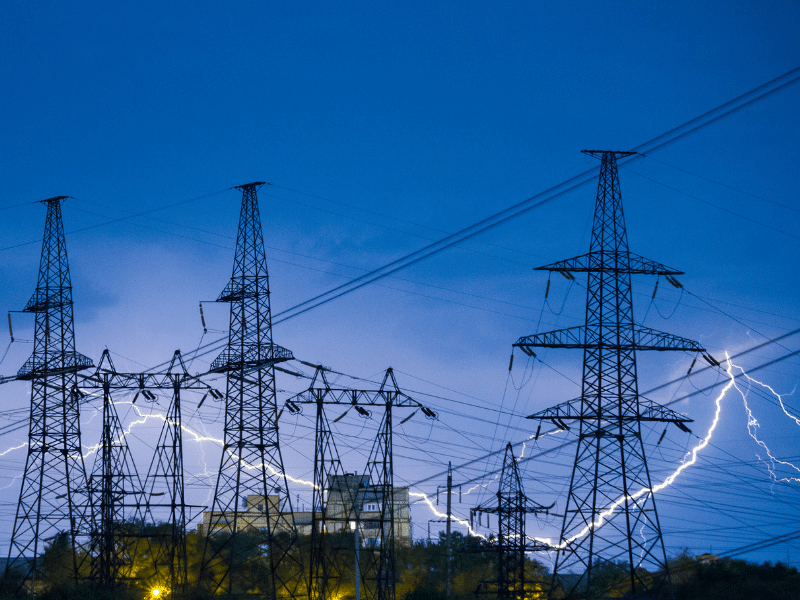
From severe thunderstorms and hurricanes to intense cold fronts and nor’easters, extreme seasonal weather can spawn more than an inconvenient disruption. Climate Central estimates that 80 percent of all serious power outages in the U.S. directly correlate with weather-related events. When we lose electricity for a significant period of time, our focus shifts to the basic necessities—preserving food, staying warm, and running alternative fuel and light sources. But another concern also looms: the potential cause of electrical fires.
A power outage could create new electrical hazards, damage fire protection systems, or even spark a fire after electricity has been restored. Taking a few precautionary measures before the winter weather arrives can help home and business owners mitigate that risk.
How Power Outages Affect Fire Protection Systems
Not all fire equipment relies on electricity alone. Some conventional fire sprinkler systems are built to operate mechanically when heat activates a single sprinkler head. However, in most modern buildings, a combination of fire alarm panels, smoke detectors, and other monitoring equipment run on complex electrical mechanics.
When the power fails, these systems switch to backup batteries or emergency power sources. These backups can offer protection for a certain amount of time, but they can’t continue to operate indefinitely. The longer a system is without power, its batteries will drain, causing the sensor capabilities and electrical components to malfunction.
Electrical Hazards Can Linger Once the Power Returns
It might seem reasonable to assume that fire risks will diminish when electricity is restored, but that’s not always the case. Power outages and the conditions that provoke them exert stress on electrical systems, which is a major cause of electrical fires.
For instance, severe weather and freezing temperatures can damage utility lines, set off power surges, overload circuits, disrupt connections, or allow moisture to seep into wires, panels, and internal mechanisms. This, in turn, can generate heat and ignite nearby combustible materials. Temporary solutions to a power outage can also turn into safety threats. Portable generators, extension cords, or space heaters are notorious for sparking fires.
Manage the Cause of Electrical Fires Ahead of Winter Weather
The best time to mitigate the cause of electrical fires isn’t when seasonal weather changes are already in effect—it’s well before that first winter storm arrives. These practical measures can make all the difference in keeping your household or business safe.
- Inspect your alternative power sources. If your smoke detector or other monitoring system relies on backup emergency power (such as batteries), regularly inspect and maintain these power sources according to the manufacturer requirements.
- Make sure electrical equipment is accessible. Electrical equipment (like fire alarm panels) must be easily accessible to first responders and fire safety technicians. Do not store boxes, furniture, or other obstructions in front of them.
- Maintain and operate generators safely. If your home or office requires a standby generator, have a professional install it and prioritize routine maintenance checks. Do not use a portable generator inside or near any doors, windows, or other openings that could allow carbon monoxide from the machine’s diesel fuel to seep in.
- Be careful not to overload electrical outlets. When cold temperatures hit, folks often turn on electrical heaters. But if too many of these devices are running off one outlet or power strip, it can overload circuits and create dangerous heat levels.
- Do not put off seasonal fire safety inspections. Before winter rounds the corner, schedule fire protection services with a qualified technician who can inspect, service, and confirm that all your equipment is still in working order.
Fire Protection Services Will Help Reduce the Risk
Planning ahead for a winter power outage isn’t just about making sure you have flashlights and extra batteries on hand. Because severe weather is a leading cause of electrical fires, power loss can expose vulnerabilities in your home or business. This, in turn, could threaten safety —even once the weather calms and your lights come back on.
Scheduling fire protection services with a team of qualified professionals will make it easier to identify these risk factors before they turn into serious problems. Weather is unpredictable, and power outages can occur anytime, but with reliable fire safety measures in place, you won’t be taken off-guard. Contact A&A Fire Protection and learn how we can help you navigate extreme temperatures, storms, and power outages with confidence all season long.